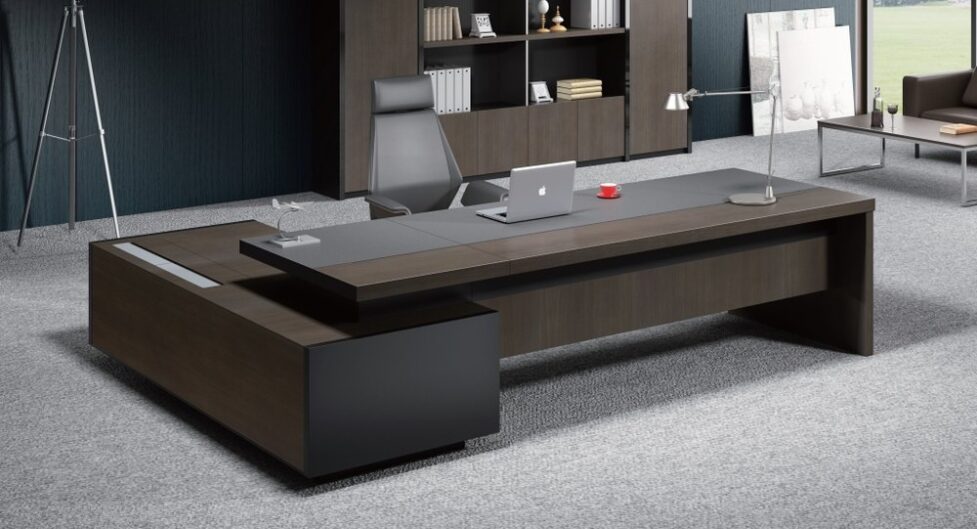

Particle board furniture is everywhere—your desk, kitchen cabinets, TV stands, and even those trendy shelves you recently picked up online. It’s affordable, versatile, and stylish when finished well. But like any engineered wood product, particle board has its weak points. One wrong move, some moisture damage, or a heavy object, and suddenly you’re dealing with swollen edges, chipped corners, or sagging shelves.
The good news? Most of these issues are repairable with a little time, care, and the right technique. In this post, we’ll walk you through how to bring your particle board furniture back to life.
Understanding Particle Board and Its Vulnerabilities
Before diving into repairs, it’s important to understand what particle board is and why it reacts the way it does.
Made from compressed wood chips, shavings, and resin binders, particle board is a popular form of engineered wood. It’s known for being lightweight, affordable, and easy to work with—one of the main reasons it’s commonly used for ready-to-assemble furniture.
Common Particle Board Uses Include:
- Office desks and workstations
- Modular wardrobes and cabinets
- Kitchen carcasses and shelves
- Bookcases and side tables
- Wall-mounted units and entertainment centers
However, particle board isn’t indestructible. It’s particularly sensitive to:
- Moisture, which can cause swelling or crumbling
- Heavy loads, which may result in sagging or breaking
- Rough handling, leading to chipped edges or loose screws
Tools & Materials You’ll Need
Before you begin any repair, gather the right tools. Here’s a basic list:
- Wood filler or epoxy putty
- Sandpaper (medium and fine grit)
- Wood glue
- Clamps
- Utility knife
- Putty knife
- Paint or laminate repair tape (if needed)
- Drill and screws (for reassembly)
- Protective gloves and mask
Step-by-Step: How to Repair Particle Board Furniture
1. Assess the Damage
Begin by carefully inspecting the damaged area. Is it chipped? Swollen? Broken off entirely? Understanding the type of damage will help you choose the right approach.
2. Clean the Area
Use a dry cloth to remove any loose debris, dust, or moisture. If there’s swelling due to water, you’ll need to dry the area first. A hairdryer on low heat can help speed up the process.
3. Remove Loose or Damaged Material
If part of the board is crumbling or delaminated, gently scrape it away using a utility knife or a chisel. Don’t remove more than necessary—just enough to create a clean, stable surface.
4. Fill the Gap or Hole
Use wood filler or epoxy putty to rebuild the missing or damaged part. For deeper areas, you may need to apply the filler in layers, letting each dry before adding more. Smooth the surface using a putty knife.
Tip: If you’re reattaching a section or reinforcing a corner, use wood glue and clamps to hold the piece in place while drying.
5. Sand the Surface
Once the filler is fully dry, sand it down using medium-grit sandpaper, followed by fine-grit for a smooth finish. This step is crucial for restoring a uniform look.
6. Refinish or Repaint
If your furniture is painted or laminated, match the repair area as closely as possible. You can use touch-up paint, laminate repair tape, or even veneer sheets to blend the repaired area with the rest of the piece.
7. Reinforce if Needed
If the particle board has lost structural integrity (for example, sagging shelves), consider adding metal brackets or replacement support panels for long-term stability.
Pro Tips to Extend the Life of Particle Board Furniture
- Avoid water exposure: Use coasters and clean spills immediately.
- Don’t overload shelves: Distribute weight evenly.
- Lift, don’t drag: Move furniture carefully to prevent joint stress.
- Use bumpers: Protect edges from accidental hits.
These small habits can go a long way in preserving your furniture and reducing the need for repairs in the future.
Why Quality Matters: Choose the Right Particle Board Supplier
A significant factor in how well particle board holds up over time is where it comes from. Not all boards are created equal. A high-quality particle board supplier uses better bonding agents, tighter compression, and superior finishing techniques—leading to stronger, more durable furniture.
Elite Particle Boards: Trusted for Quality, Engineered for Durability
When it comes to reliable, high-performance engineered wood, Elite Particle Boards stands out as one of the leading particle board suppliers in the market.
What makes them different?
- Precision manufacturing using state-of-the-art machinery
- Eco-conscious production with recycled materials
- Wide range of finishes, including pre-laminated particle boards
- Trusted by furniture brands, interior designers, and contractors
Whether you’re building new furniture or repairing old favorites, starting with high-grade particle board ensures longevity and satisfaction.
Conclusion
Particle board furniture, despite its budget-friendly appeal, doesn’t have to be disposable. With the right tools and a little know-how, you can repair chips, cracks, and water damage effectively—and make your furniture look almost as good as new.
That said, prevention is always better than repair. Start with quality material from a trusted particle board supplier like Elite Particle Boards, and you’ll reduce the risk of damage in the first place. Durable, beautifully finished, and engineered for long-term use, their boards are built to last.
Because when you choose better materials, you build a better space.